
Boo-It-Yourself Decorations
25th September 2023
Spooky Stays
25th September 2023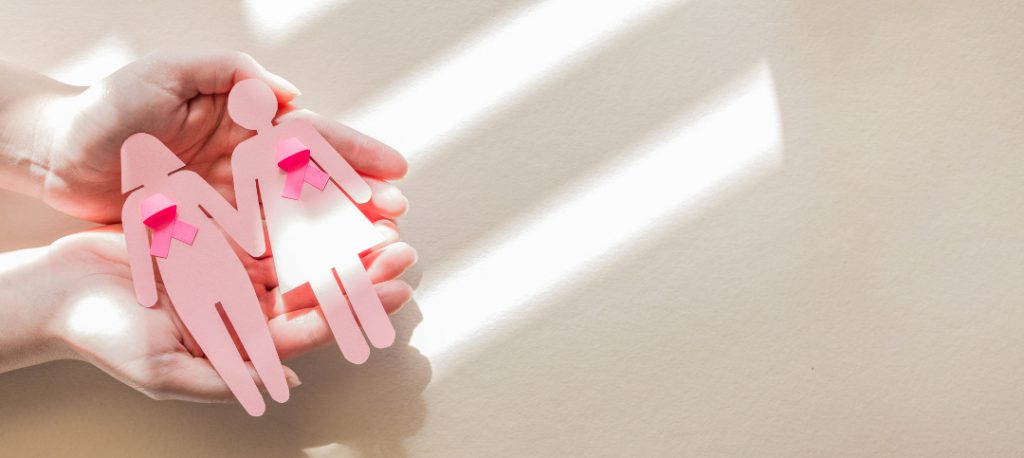
For the whole month of October, we are reminded to make those appointments, have the conversation and help raise money to fight the fight.
The sad reality is that we all know someone who has been affected by breast cancer, since 2020, it has become the most common cancer worldwide. This month is about raising awareness, raising money and reminding women of the importance of those screening appointments.
Breast Cancer UK estimates that around 30% of cases in the UK can be prevented by making lifestyle changes. We all know that living a healthier lifestyle is better for us and when we’ve got good health, we take it for granted. So why not act now, and do what we can when we can? It doesn’t need to be groundbreaking, but making the effort to get 10k steps in a day, go for those lovely swims, and make better food choices. It’s always hard to start something new, but after a while, it becomes habitual. And nobody has ever felt worse from that natural serotonin boost after moving your body.
Breast Cancer UK has a 30-day challenge which you can take part in. Spend the next 30 days during October doing ANY exercise-based challenge. It’s a great way to challenge yourself, build resilience, get fitter and raise money for Breast Cancer!
Having awareness about what we put into our bodies is just as important as what we put on them. Some cosmetics, hair products, cleaning and other everyday products contain chemicals that are linked to breast cancer such as Paraben, Phthalates and Triclosan, so it’s always worth checking the labels and consciously choosing other products.
With breast cancer now affecting every 1 in 7 women and around 400 men a year, it’s time to pay more attention to your breasts and the areas around them. Know your body and look out for changes. There are many symptoms and signs of breast cancer, everyone is different so if something doesn’t look or feel right, get it checked out.
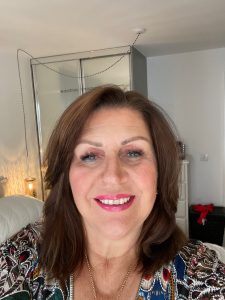
My lovely mum, Mary Jones (below), was only diagnosed with breast cancer last year in 2022. After the original screening was cancelled in 2020 due to COVID-19, it was a cervical smear appointment letter that jolted Mary’s memory to rebook that missed mammogram screening. As the last screening appointment was in 2017, it was a very quick turnaround;
“I initially had a letter post mammogram asking me to attend the Primrose unit at Derriford as some calcifications had been spotted. I attended and had an ultrasound where they then performed a stereotactic ultrasound (a strange procedure). This came back as inconclusive so back up for another one. I was told that calcifications are common and probably won’tneed treating.”
Unfortunately, after the second round of testing, Mary saw the consultant who confirmed the calcification was malignant and after various tests, Mary received the devastating news that she would need a mastectomy;
“I had a thing called DCIS (ductal carcinoma in situ). I had never heard of this and no lumps are felt at this stage as it is still in the nipple ducts but can spread if not detected early enough. I was very shocked at this diagnosis, the only bit of my body I liked was my boobs. After many tears and research about my condition. I then saw the amazing Mr Dixon who is a plastic surgeon. He explained that I was a candidate for a DIEP flap. They give you a tummy tuck and insert part of that tissue to perform an implant. It is an extremely long operation (10 hours).”
There were some complications post-op and necrosis of the wound but with three months of weekly hospital visits and the fantastic Primrose Nurses and Doctors, Mary eventually healed. Sadly, there’s some invasion into Mary’s breast tissue and she has to take immune therapy treatment for five years;
“My cancer was ER+ which means caused by too much oestrogen. Sadly there is a side effect of painful joints, especially knees and hips. But I have arthritis there, so it seems to inflame it. But I am alive and 1 year post-op. I have forgotten the discomfort of the first few months and was lucky not to have radio/chemotherapy.”
Had Mary not had that mammogram, things could have been so much worse and the treatment would have been more extensive and severe.
“SO LADIES & MEN NEVER FORGET THAT MAMMOGRAM, IT CAN REALLY SAVE YOUR LIFE. I am extremely grateful to the doctors and nurses who looked after me and am blessed we have an NHS who still do this screening.”